

Why Texas is a Great State to Sell Your Business
Why is Texas such a great state to sell your business? When it comes to selling a business, location can make all the difference, and Texas stands out as one of the best states that prospective buyers consider. Known for its business-friendly climate, diverse industries, and strong economy, Texas offers unique advantages to business owners looking to sell. From favorable tax policies to an ever-growing population, the Lone Star State provides a robust environment that attracts a broad range of buyers. Whether you’re ready to retire or explore new ventures, selling your business in Texas could lead to a rewarding outcome—especially with the help of a local business broker to guide you through the process.
Top 3 Reasons Texas is a Great State to Sell Your Business
-
Texas’ Booming Economy
Texas’ consistent economic growth is a key factor that makes it a prime location for selling a business. The state’s diverse range of thriving industries—including energy, technology, healthcare, and real estate—creates a solid foundation for economic resilience and prosperity. This diverse economy not only stabilizes the market but also increases buyer demand, as potential buyers seek opportunities in both established and emerging sectors. With Texas attracting entrepreneurs and investors from all over the country, businesses in the state are well-positioned for higher valuation and quicker sales.
In addition to its strong economy, Texas is one of the most populous states, providing a large consumer base for local businesses. As people continue to relocate to Texas for its affordable cost of living and job opportunities, the growing population drives up demand across various industries. This influx of new residents and workers contributes to the state’s thriving local economy, making it an attractive market for both buyers and sellers.
-
Favorable Business Climate and Tax Environment
One of the biggest reasons Texas is a top state for selling a business is its highly favorable business climate. The state has long been known for its pro-business policies, which minimize regulatory burdens and encourage entrepreneurship. Texas offers an environment with fewer regulations compared to other states, reducing the costs and time associated with compliance. This pro-business attitude, coupled with access to a large, skilled workforce, makes the state a magnet for investors and entrepreneurs looking to purchase businesses. The streamlined process of running and eventually selling a business in Texas is appealing to buyers, leading to increased interest in businesses across various industries.
Another significant advantage is Texas’ lack of a state income tax. This tax policy creates a huge benefit for both business sellers and buyers. Sellers can maximize the return on their investment without losing a portion of their profit to state taxes, and buyers are more attracted to investing in Texas businesses because they, too, will enjoy these tax benefits. The absence of a state income tax allows businesses to retain more of their earnings, further enhancing their appeal in the marketplace. For those looking to sell, this creates a competitive edge that can drive up the value of your business and shorten the sales timeline.
-
Diverse and Resilient Industries
Texas’ economy is built on a foundation of strong and diverse industries, which is another reason it’s an ideal state to sell a business. The state is home to key sectors such as energy, technology, agriculture, and healthcare, each of which plays a critical role in driving economic growth. Texas’ leadership in the energy industry, particularly oil and gas, continues to attract investors from around the world. Meanwhile, its growing technology sector, fueled by cities like Austin and Dallas, positions Texas as a hub for innovation and entrepreneurship. Agriculture, a long-standing pillar of the state’s economy, and healthcare, a rapidly expanding field, also present lucrative opportunities for business owners looking to sell.
What makes Texas particularly appealing is its economic resilience across these industries. With such a diverse array of sectors, Texas is better able to withstand economic fluctuations. For example, while oil prices may fluctuate, the tech industry may simultaneously experience growth, creating a balanced economy that remains strong even during downturns in individual sectors. This stability helps maintain a healthy market for business sales, as potential buyers know that Texas offers long-term economic reliability. For business owners, this resilience ensures that their business is operating in a stable environment, increasing the chances of securing a favorable deal. Whether your business is in an emerging tech field or a well-established distribution center, Texas provides a broad pool of qualified buyers eager to invest.
The Importance of Local Texas Business Brokers
When selling a business in Texas, partnering with a local Texas business broker can significantly streamline the process and maximize your return. Texas business brokers not only bring invaluable expertise but also provide access to a wide network of resources that make the selling process smoother and more efficient. They are especially crucial in navigating the complexities of the Texas market, ensuring that sellers achieve the best possible deal.
- Expertise in the Local Market
Local Texas business brokers possess a deep understanding of the regional market dynamics that can significantly influence business valuations and buyer interest. From metropolitan hubs like Houston, Austin, and Dallas to smaller markets with their own unique demand drivers, local brokers are well-versed in the factors that affect sales. This local expertise allows them to advise sellers on optimal timing and pricing strategies, positioning the business to attract serious buyers who are familiar with the local Texas economy. - Industry Knowledge and Valuation Insights
A key advantage of working with a Texas business broker is their ability to accurately assess the value of your business. Texas brokers stay up-to-date with industry trends and know how different sectors are performing across the state. Whether your business operates in the energy, services, retail, healthcare, restaurants, tech, or agriculture, a local broker can provide insights into how market trends, regional conditions, and industry-specific factors should influence your pricing. Their valuation expertise ensures your business is priced to reflect both its true value and its appeal in the Texas market. - Access to a Network of Qualified Buyers
One of the most time-consuming aspects of selling a business is finding the right buyer. Fortunately, local brokers usually maintain a network of serious, pre-qualified buyers who are actively seeking to invest in Texas businesses. This network can significantly shorten the sales timeline, as Texas business brokers can connect you with buyers who are ready and able to close a deal. Additionally, they ensure your business is marketed to the right audience, increasing the likelihood of securing the best possible offer. - Connections with Lenders and Other Professionals
In addition to finding buyers, business brokers also have established relationships with local lenders, attorneys, accountants, and other professionals who are essential to the sales process. Whether you need assistance with financing, legal matters, or financial documentation, a broker’s connections can coordinate each step and help facilitate smooth transactions. These professional relationships reduce the time spent navigating administrative tasks and help ensure that each step of the process moves forward efficiently. - Negotiating the Best Deal
Negotiation is a critical part of selling a business, and this is where professional Texas business brokers truly shine. With years of experience in deal-making, local brokers can negotiate terms that not only maximize your profit but also create favorable conditions for both parties. They are skilled at mitigating risks, addressing concerns from buyers, and resolving issues that could delay or derail a deal. Their negotiation expertise ensures that you leave the table with the best possible price and terms for your business. - Managing a Smooth Transfer of Ownership
Once a buyer is secured, the process doesn’t stop there—transferring ownership involves several legal and logistical steps. A broker’s involvement ensures a smooth transition, from drafting contracts to transferring assets and intellectual property. Their guidance helps you navigate this complex process with confidence, ensuring all parties are aligned and the transfer of ownership is seamless.
Now is the Time
Texas’ strong economy, favorable tax environment, and diverse industries are all reasons why Texas is a great state to sell your business. With steady economic growth, no state income tax, and a resilient marketplace driven by key sectors like energy, technology, and healthcare, Texas offers business owners prime conditions to secure a profitable sale. By partnering with an experienced local business broker, you can further enhance the selling experience, benefiting from their market expertise, industry insights, and extensive network of buyers. Brokers streamline the sales process, maintain confidentiality, and work diligently to secure the best possible deal for your business.
If you’re a business owner in Texas considering selling, now is the time to explore your options. Reach out to a local business broker to begin the process and take advantage of everything Texas has to offer. Did you know that V-AID Group has been serving Texas business owners since its establishment in 2001? We’re no strangers to selling businesses and would be delighted to extend our services to you, check out our selling guide or complete a seller registration to learn more and connect with a local professional business broker today.
Read More
Seller Financing, a Valuable Yet Risky Tool for Business Owners
Seller Financing Brings Both Value and Risk to the Table
When it comes to selling a business, one of the critical decisions an owner must make is how the transaction will be financed. Seller financing, where the seller provides a loan to the buyer to cover a portion of the purchase price, essentially acting as a lender, is a common option. This method has both advantages and disadvantages and understanding these can help business owners make an informed decision. In this blog, we will explore why seller financing is considered a valuable yet risky tool for business owners.
Why Seller Financing Can Be a Valuable Tool
-
Attracts More Buyers
Attracting More Buyers Seller financing makes the business accessible to a larger pool of potential buyers who may lack immediate funds or struggle to secure traditional financing, thus broadening the market for the business.
-
Faster Sale Process
By providing seller financing, the business owner can expedite the sale process. Traditional financing can be time-consuming, involving extensive paperwork, credit checks, and approval procedures. Seller financing can potentially simplify and speed up the transaction, reducing the time the business remains on the market.
-
Enhanced Negotiation Power
Seller financing can give the business owner more leverage during negotiations. The seller can set favorable terms and conditions, such as interest rates, repayment schedules, and collateral requirements. This control can lead to a more advantageous and secure agreement.
-
Tax Benefits
While it may not be the best answer to every financial situation, receiving payments over time can provide tax advantages. Instead of paying a large capital gains tax in one year, the seller can spread out the tax liability over several years. This can result in lower overall tax payments and more effective tax planning.
Risky Drawbacks to Seller Financing
-
Increased Financial Risk
When a business owner opts for seller financing, they essentially become a lender. This means they take on the financial risk associated with the buyer’s ability to repay the loan. If the buyer defaults, the seller may face significant financial losses. Unlike professional lenders or banks, sellers could find that recovering the remaining balance can be overwhelmingly challenging and costly, involving legal fees and potential court battles they are not prepared to handle. Furthermore, economic downturns or unfavorable market conditions can impact the buyer’s ability to make payments. Even if the buyer has good intentions, experience, and a solid business plan, external factors beyond their control can lead to default. This uncertainty adds to the seller’s risk.
-
Deferred Payments
Seller financing typically involves receiving the sale proceeds over time rather than in a lump sum. For business owners looking to retire or reinvest the proceeds into another venture, this can be a major drawback. Deferred payments mean the seller has to wait years to fully realize the value of their business, potentially affecting their financial plans and liquidity.
-
Ongoing Involvement and Responsibility
Offering seller financing often means the seller remains tied to the business in some capacity until the loan is repaid. This can include monitoring the business’s performance and financial health, ensuring the buyer adheres to the agreed-upon terms. This ongoing involvement can be burdensome, especially for sellers who wish to completely step away from the business.
-
Complexity and Legal Issues
Seller financing adds a layer of complexity to the sale process. In order to protect themselves, seller must draft detailed financing agreements, establish repayment schedules, and set terms for interest rates and collateral. These agreements need to be legally sound to protect the seller’s interests, often requiring legal assistance, which can be costly and time-consuming.
-
Impact on Business Value
Buyers may perceive a business offering seller financing as less valuable or riskier. If the business does not qualify for SBA financing, they might assume that the business has underlying issues despite being presented as a profitable enterprise. Depending on other factors, such as the industry, location, revenue, lack of accurate financial records, this perception can affect the overall attractiveness of the business and potentially reduce the selling price.
-
Creditworthiness of the Buyer
Assessing the buyer’s creditworthiness is crucial in seller financing. Unlike financial institutions, most business owners lack the resources and expertise to conduct thorough credit assessments. This increases the risk of lending to a buyer who may not have the financial stability or management skills to ensure the continued success of the business.
How Business Brokers Mitigate the Risks
-
Thorough Buyer Vetting
Business brokers meticulously vet potential buyers prior to engaging in seller financing by assessing their financial capability and industry experience. This involves verifying that the buyer has sufficient capital for necessary financing and analyzing their financial stability through detailed financial statements and debt-to-income ratios. Additionally, brokers evaluate the buyer’s professional experience, industry knowledge, and track record in managing or owning similar businesses. Personal interviews are conducted to understand the buyer’s motivations, goals, vision, and commitment to the business. This thorough vetting process ensures that the buyer is well-equipped to manage and grow the business, providing a secure and beneficial seller financing arrangement for the seller.
-
Structuring Favorable Terms
Business brokers work diligently to structure seller financing terms that protect the seller’s interests, including setting an interest rate that compensates the seller for their risk without being prohibitively high for the buyer. They utilize a network of SBA-preferred lenders to secure the best possible financing terms, often introducing buyers to these lenders to facilitate lump sum payments to sellers instead of monthly installments. Additionally, business brokers establish a repayment schedule that ensures regular payments, providing a steady income stream for the seller while remaining manageable for the buyer.
-
Legal Safeguards
To protect the seller, business brokers ensure all legal aspects of the seller financing agreement are meticulously handled, including drafting clear contracts that outline all terms and conditions in a legally binding manner. Promissory Notes, Security Agreements, and Personal Guaranty documents are drafted and executed to reduce potential disputes and misunderstandings. Additionally, default clauses are included to specify the consequences of default, providing the seller with legal recourse if the buyer fails to make payments.
-
Ongoing Monitoring and Support
After the sale, business brokers often continue to support the seller by monitoring the buyer’s payments to ensure they are made on time and according to the agreement, conducting performance reviews to identify any early signs of trouble, and acting as intermediaries between the seller and buyer to resolve issues and maintain a positive relationship while ensuring compliance with the terms.
-
Education and Preparation
Business brokers educate sellers on the risks and responsibilities associated with seller financing, ensuring they are fully prepared. This includes helping sellers understand potential risks and how to mitigate them, often requiring a minimum of 50% down payment to ensure the buyer’s vested interest. They also assist in financial planning to ensure the seller’s goals are met post-transaction and set realistic expectations about the process, timelines, and outcomes of seller financing.
Partnering with a Business Broker Makes All the Difference
Seller financing can be a beneficial arrangement for both buyers and sellers, but it comes with inherent risks. Business brokers play an essential role in implementing seller financing in a way that protects the seller’s interests. Through thorough buyer vetting, favorable term structuring, legal safeguards, ongoing monitoring, education, and exit strategies, brokers ensure that the transaction proceeds smoothly and securely. By leveraging the expertise of a skilled business broker, sellers can confidently use seller financing to achieve a successful sale while minimizing their risks. If you have a business for sale, consider partnering with V-AID business brokers to serve as your personal selling guide and help you successfully and smoothly navigate your path to selling your business for sale.
Read More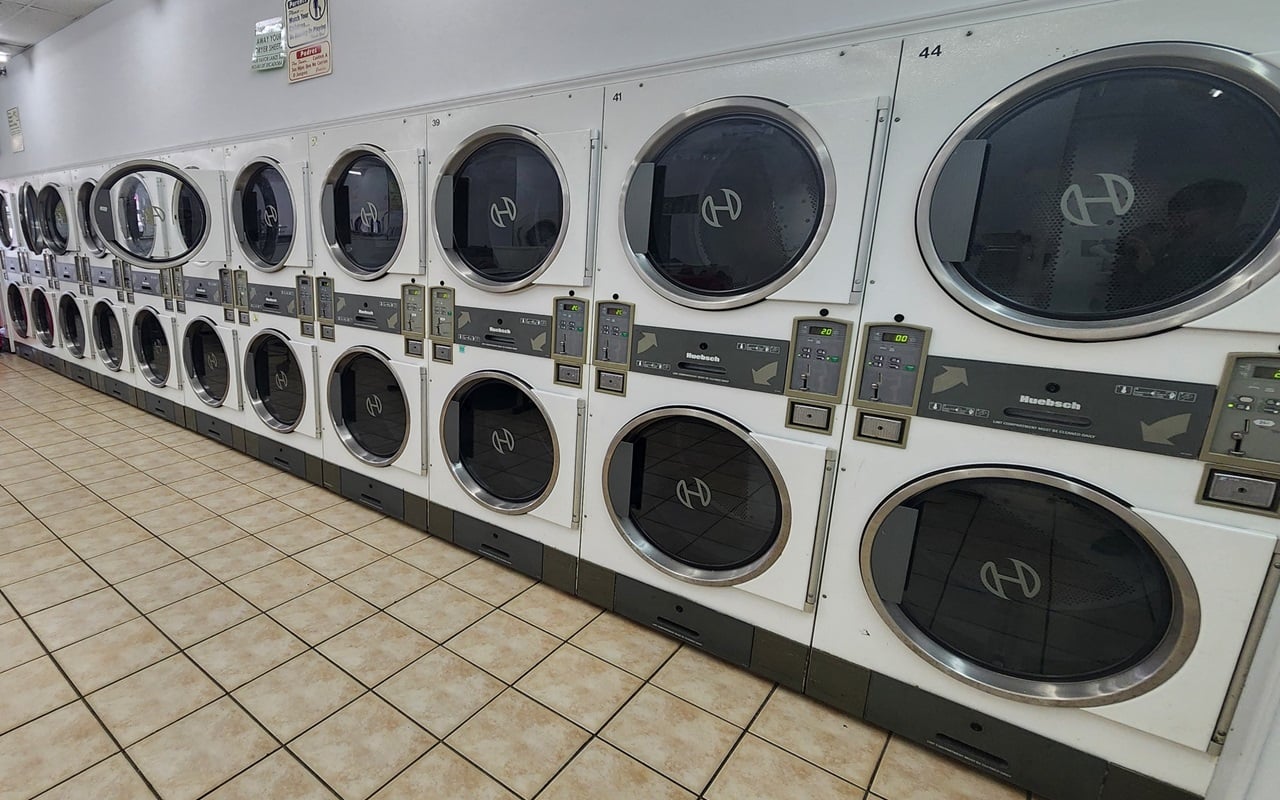
Sell my Laundromat for Top Dollar in 2024
“Sell my laundromat for a bargain price,” said no one ever. If you are a laundromat owner in 2024, you’ve probably considered the premium value your laundromat deserves, especially if it’s doing well. If you’re thinking about selling your laundromat in 2024, however, there are some important things you should know to get the most money for it.
In 2024, staying aware of industry trends can highly benefit laundromat owners aiming to maximize the value of their business when selling. As the market landscape continues to evolve, understanding and leveraging trends can be the difference between selling your business for a modest price and making a lucrative exit. While cash flow is a major consideration for a business valuation, there are several other ways to add value and prepare your laundromat for sale to ensure you receive top dollar. Whether it’s integrating new technology for enhanced convenience, adopting eco-friendly practices to meet growing sustainability concerns, or offering value-added services like wash-and-fold or delivery options to boost revenue and efficiency while catering to changing consumer preferences. By strategically preparing and investing in the laundromat prior to selling, owners not only increase the appeal of their business to customers but ultimately enhance their chances of securing a lucrative sale in the dynamic market of 2024. Let’s discuss some of these trends and how laundromat owners can prepare to sell their businesses.
Demand for Laundromats is on the Rise
In recent years, buying a laundromat has surged in popularity, emerging as a coveted investment opportunity for a wide variety of buyers, thanks in part to the influence of social media, podcasts, news outlets, and pop culture. For several years now, platforms like Instagram and YouTube have allowed entrepreneurs to showcase their success stories and share insights into the lucrative nature of laundromat ownership to a wide audience, inspiring a new wave of interest in the industry. Such influences have glamorized the idea of owning a laundromat, portraying it as a desirable and financially rewarding endeavor with minimal effort. As a result, buying a laundromat has become an increasingly hot commodity, attracting aspiring business owners eager to capitalize on this thriving market and secure their slice of the entrepreneurial pie.
However, this surge in popularity does not make selling a laundromat for fair market value any easier for current laundromat owners. Instead, we are seeing more window shoppers and financially weak buyers attempting to engage the market, hoping to find a once-in-a-lifetime bargain. A laundromat owner without proper representation can easily find themselves swamped with hundreds or even thousands of offers from unqualified buyers presenting lowball offers or pleas for selling financing that burdens the seller with undue risk. While there are still plenty of qualified buyers in the marketplace, it is highly advisable to hire an agent to seek them out.
A Growing Number of Competitors Have Saturated the Market
With the laundromat industry experiencing a surge in popularity and demand, there has also been a notable influx of competing laundromats entering the market, leading to a landscape that is becoming increasingly saturated. This saturation underscores the importance of offering top-notch services to distinguish oneself in the industry. As the number of options available to consumers grows, providing exceptional customer experiences, modern amenities, or convenient mobile features has become essential for standing out amidst the competitive environment. The growing number of competitors emphasizes the need for laundromat businesses to prioritize excellence in service delivery and adaptability to evolving consumer preferences to thrive in today’s saturated market. While a traditional laundromat can still thrive and enjoy a loyal clientele, laundromat owners should recognize the importance of staying abreast of technological innovations and steadily integrate these solutions to cater to the evolving needs of their customers. Failure to do so could not only jeopardize customer retention but also threaten the long-term viability of the business in an increasingly competitive market.
Optimizing Equipment and Facilities to Maximize Sale Potential
Although numerous buyers are flooding the marketplace, that does not mean they are desperate for a fixer-upper. It should go without saying that the overall condition of the facility and machines will play a pivotal role in determining the market value for a laundromat. Imagine if a laundromat owner told us, “Sell my laundromat with mostly 19-20-year-old machines that constantly break down inside of a flood-damaged facility with broken windows and bullet holes in the ceiling.” If the business was somehow deemed marketable enough, we would have to set realistic expectations about receiving less than top dollar for their business. Prospective buyers are naturally drawn to tidy establishments with newer machines that undergo routine maintenance, as these traits signal immediate operational readiness and future-proof investment potential. Discerning buyers would be hesitant to take over a laundromat full of machines that are set to spin their last cycle in the next 2-3 years or a facility in need of major renovations without a hefty discount, to say the least.
To ensure your laundromat stands out in a competitive market, it’s imperative to undertake a comprehensive evaluation of all equipment and facilities before listing it for sale. Pinpointing any maintenance issues or outdated machinery is crucial, as addressing these aspects ahead of time can elevate both buyer interest and the perceived value of your business. While some market areas are best suited for traditional coin laundromats, embracing modern technology by investing in washer and dryer machines equipped with convenient features such as card readers and mobile app integration can prove to be a savvy move. Not only does this enhance operational efficiency, but it also positions your business in alignment with the preferences of contemporary consumers. Investing in routine maintenance and upgrades ahead of time not only enhances the overall appeal but also justifies a higher asking price, thereby maximizing your return on investment.
Diversify Revenue Streams
Elevating the value of a laundromat for sale goes beyond its conventional offerings. Embracing a multifaceted approach to revenue generation can significantly increase its appeal to prospective buyers. While many laundromats contain vending machines stocked with snacks and beverages and retailing laundry essentials, the business can actively incorporate high-demand conveniences like wash-and-fold services and delivery services to generate an additional flow of revenue beyond the self-serve machines. Larger facilities with unutilized space can also consider installing an arcade, introducing a food element, or integrating a cash-checking booth that can cater to the needs of customers seeking financial services while waiting for their laundry. A laundromat boasting such diverse revenue streams is perceived as adaptable and potentially more lucrative, thus enhancing its market desirability. By strategically integrating these supplementary services, owners can position their laundromat as a dynamic and high-yield investment opportunity, ultimately optimizing its sale price potential.
Keeping Accurate Financial Records
In the realm of business sales, transparency is key. Prospective buyers demand a crystal-clear view of a laundromat’s financial landscape to make informed decisions. Hence, maintaining accurate financial records leads to a much smoother business transaction when it comes time to sell.
However, we understand that cash businesses are handled differently, making accurate records a challenge. Even so, detailed and accurate financial documentation provides invaluable insights into the laundromat’s performance and profitability, offering a comprehensive snapshot of its financial health. Business owners are encouraged to present well-organized income statements, balance sheets, cash flow statements, and tax returns spanning at least three years.
Moreover, sellers should anticipate the need to furnish documentation for significant expenses, such as equipment acquisitions or facility renovations. These records not only validate past investments but also offer clarity on the underlying value proposition of the business.
Through the upkeep of precise financial records, sellers not only streamline the due diligence process but also mitigate the risk of transactional complexities. By instilling confidence in potential buyers through transparent financial management, sellers significantly enhance the likelihood of securing a favorable sale at their desired price point.
Partnering with a Business Broker
Partnering with a business broker, especially one with specific experience in the laundromat industry, can offer laundromat owners a significant advantage when it comes to selling their business. Laundromats are unique entities within the realm of business sales due to their cash-heavy nature and specialized operational requirements. A broker who has previously answered the call to “sell my laundromat” several times can understand these nuances can effectively navigate the complexities of selling a laundromat and ensure a smooth transaction process.
One of the primary benefits of working with a business broker experienced in the laundromat sector is their deep understanding of the industry landscape. They are familiar with the current market trends, competitor analysis, and valuation metrics specific to laundromats. This knowledge enables them to accurately assess the value of a laundromat and set an asking price that reflects its true worth, maximizing the seller’s potential for a profitable outcome.
Moreover, a seasoned broker has cultivated a network of contacts within the industry, including prospective buyers who are actively seeking investment opportunities in laundromats. These buyers often come from diverse backgrounds, ranging from seasoned entrepreneurs looking to expand their portfolios to first-time business owners seeking a stable and lucrative venture. By leveraging their connections, brokers can effectively market the laundromat to qualified buyers, increasing the likelihood of finding the right match for the seller’s objectives.
Furthermore, selling a cash-intensive business like a laundromat requires careful attention to financial documentation and transparency. Business brokers with experience in the laundromat industry understand the unique challenges associated with cash businesses and can help sellers navigate the intricacies of financial reporting. They ensure that sellers maintain accurate records of revenue, expenses, and cash flow, providing prospective buyers with the necessary information to conduct due diligence and make informed investment decisions.
In addition to facilitating negotiations and managing the transaction process, a knowledgeable broker can offer valuable insights and guidance throughout the sale process. Whether it’s addressing buyer concerns, optimizing the presentation of the laundromat’s assets, or strategizing for a successful transition, a seasoned broker acts as a trusted advisor, advocating for the seller’s best interests every step of the way.
Sell my Laundromat for the Best Price
“Sell my laundromat for the best price!” should be the desire of every laundromat owner when they are ready to sell. As we discussed, selling your laundromat for top dollar in 2024 requires careful planning, attention to detail, and the right approach. By leveraging the expertise of a business broker, maintaining or upgrading equipment and facilities, and keeping accurate financial records, sellers can maximize their chances of securing a full asking price with minimal complications during or post-transaction.
In a competitive market, sellers who take the time to prepare and position their laundromat effectively will stand out to potential buyers and achieve a successful sale for top dollar. With the right strategy and execution, selling a laundromat in 2024 can be a rewarding and lucrative endeavor for business owners looking to capitalize on their investments.
If you are a business owner seeking to learn more about selling your business, feel free to explore our selling guide or business valuation guide to see how V-AID can add value to your exit and find the right buyer for you!
Read More
What is a Business Broker? Are They Worth It?
What is a business broker? A common question that is asked through online forums, over the phone, or in the presence of a colleague who may have told you how they sold or bought a small business. For the most part, the profession of business brokers is often overlooked, with many business owners unaware of their existence until they receive an unexpected call or correspondence. This is not surprising, considering the confidential nature of their work. Business transactions rarely make headlines or garner attention unless they involve major Fortune 500 companies merging or acquiring one another like Microsoft acquiring Activision Blizzard or Disney merging with Pixar. The public seldom takes notice when a small business changes ownership, especially if the previous owner had minimal involvement in day-to-day operations. Business brokers are responsible for coordinating thousands of smaller business transactions every year and will continue as long as businesses hold value and owners seek to exit due to retirement, burnout, new opportunities, or other circumstances.
Despite the vital role they serve, many people are often hesitant to approach a business broker due to the perceived high fees associated with their services. While there are some firms that have additional fees that are arguably too high or unjustified, business brokers generally receive an industry average of 10% commission from the completed business transaction. This fee can vary depending on the brokerage firm and the size of the business being sold. However, in most circumstances, this standard fee is actually a modest price to pay for the valuable services that business brokers provide. There are several reasons why a business owner seeking to protect their best interests should strongly consider hiring a certified professional business broker to sell their respective business. Let’s dive into what business brokers offer, what to look for and avoid when selecting a business broker, and why their fees can be worth the valuable services they provide.
What is a Business Broker?
To put it simply, business brokers, also known as Certified Business Intermediaries (CBI), are professionals who assist in the buying and selling of businesses. They act as intermediaries between buyers and sellers, helping to facilitate a smooth and successful transaction. They are knowledgeable about the market, have expertise in negotiating deals and navigating legal aspects, and provide guidance throughout the process. They also maintain strict confidentiality during the buying or selling process to protect sensitive information about the businesses involved. Business brokers understand the complexities involved in such transactions and can offer valuable insights and strategies to help their clients achieve their desired outcomes. Whether that is selling in the shortest time frame, securing the highest lump sum offer, or receiving a favorable interest rate from the transaction. A business broker is expected to meet the business owner’s goal for the transaction while seeking the best offer from a qualified buyer.
What are the Benefits of Using a Business Broker?
Using a business broker can offer several advantages for business owners and prospective buyers. They can save tremendous time and effort by handling all aspects of the sales process while increasing the chances of a successful sale. Additionally, they can provide valuable insights and guidance throughout the buying process, ensuring clients receive fair compensation for the value that was built by the owner. Let’s dig into a few of the valuable benefits that a professional business broker can offer clients:
- Business brokers offer accurate business valuations. With their deep understanding of the market, industry trends, current valuations, and a meticulous approach to thoroughly assessing each individual business, business brokers help business owners make informed decisions. Business owners are often unaware of the true value they have created over the years, and the primary objective is to protect that value and ensure the business owner receives fair compensation. A business owner would be making a costly mistake by simply using an online business value calculator without consulting a professional who can identify value drivers (or dingers) that could significantly increase or reduce the fair asking price of the business. Trusting in the expertise of a professional business broker can provide peace of mind that all the business’s value has been carefully considered before reaching a fair asking price and listing the business for sale.
- Business brokers have an extensive network of qualified buyers and sellers. They can help connect the right parties and facilitate a smooth and efficient transaction. Sellers won’t have to deal with the headache of sorting through hundreds of lowball offers, tire kickers, and unqualified buyers that wouldn’t satisfy the landlord’s or franchisor’s minimum requirements, when applicable. Business brokers will take every precaution to present only reasonable offers from qualified buyers. While this does not guarantee a successful transaction, these precautions save time and effort for both buyers and sellers, making the process much more manageable.
- Business brokers are skilled negotiators who play a critical role as intermediaries between buyers and sellers. They act as the vital link to bridge any communication gaps or conflicts that may arise during negotiations. Their extensive experience and expertise in handling such complex and delicate situations can be invaluable in not only ensuring a successful transaction but also in providing guidance and support throughout the entire process. With their deep understanding of the market dynamics and their ability to navigate through potential challenges, business brokers bring a level of assurance and peace of mind to both parties involved, making them an essential asset in the realm of business transactions.
- Business brokers play a vital role in managing all the necessary paperwork and other details surrounding the transaction. They also work closely with legal professionals to handle the complex legal aspects involved. Keep in mind the business broker assists all parties involved in the deal, often working with the buyer to secure the necessary SBA loan to acquire the business. This meticulous and time-consuming process requires a broker’s expertise to be executed efficiently and accurately. By leveraging their knowledge and experience, business brokers streamline the entire transaction, providing peace of mind to both buyers and sellers.
- A business broker carefully maintains confidentiality. Diligently safeguarding sensitive information and sharing it only with the necessary parties is critical for all parties involved. Confidentiality throughout the process protects business owners against complications that may arise if the sale of the business becomes public knowledge. Many potential issues could occur: Employees may choose to resign, landlords may decide to terminate the lease agreement, suppliers may reconsider their fees, and franchisors may become prematurely alarmed, resulting in complications that could break the deal. A business broker’s commitment to maintaining confidentiality adds an extra layer of assurance, allowing clients to navigate the intricate landscape of business deals with peace of mind.
- Business brokers handle the marketing aspect of selling the business. Business brokers utilize a diverse range of resources to curate a compelling marketing package for your business. They possess the expertise to create an effective marketing plan that appeals to potential buyers and private investors. These marketing efforts are usually at the expense of the business broker, which can vary based on the size of the business and the duration required to identify the right buyer and close the deal.
- Business brokers assist the buyer throughout the acquisition process. Not to be confused with buyer representation, necessary assistance is crucial in helping the buyer complete the transaction. In many cases, this will be a first-time buyer with no previous business ownership experience. A serious buyer will have many questions to understand the business they are attempting to purchase. A broker can expect to receive inquiries from prospective buyers regarding financial statements, daily operations, steps to apply for a legal entity, how to secure an SBA loan, and many more questions to verify the provided information during the due diligence phase. The due diligence process involves a comprehensive examination of all aspects of the business before finalizing the sale. It encompasses a thorough review of all financial documents, legal contracts, and other pertinent information to ensure the business is not only viable but also a suitable fit for the buyer. This level of assistance can be very time-consuming, and a business owner is typically too busy managing or operating their own enterprise to dedicate the necessary time and effort to each and every prospective buyer who presents an offer. Without this assistance, many a deal simply would not reach the finish line.
What is a Business Broker: Red Flags
Do not be fooled into leaving your most valuable asset in the hands of an inexperienced or unqualified agent. While there are numerous business brokers that are reputable and trustworthy, there are bad actors in every industry that do not have your best interest in mind. Here are some red flags you should be aware of.
- The agent asks for an upfront fee or a large retainer before any work is done. This could indicate that the broker is more interested in making money from excessive fees rather than helping you find the right buyer for your business. There is a higher likelihood this type of business broker will gladly take your money, list your business on the marketplace, and disappear until the end of the contract. Do not expect much follow-up or transparency. When pressed for updates, they may attempt to lead you along with breadcrumbs of information to keep you “informed” with no plan to get results.
- The agent appears to have conflicts of interest, such as representing both the buyer and seller in a transaction. This relationship is known as “dual agency,” and it can work in a business sales transaction IF the broker discloses the nature of his or her relationships to all parties in a transaction and is careful not to share with one party any confidential information regarding the other party. A business broker that is not upfront about this relationship between the parties should be avoided.
- The agent is not affiliated with a reputable organization within the mergers and acquisitions industry. Exercise caution when engaging with a listing agent without formal training or certification from IBBA or another reputable organization within the mergers and acquisitions industry. When an agent lacks industry affiliation, clients expose themselves to a greater risk of dealing with agents who may engage in unethical or predatory practices or simply lack the necessary qualifications to do the job properly.
- The agent is NOT a business broker but a real estate agent. It should go without saying that realtors primarily specialize in selling or buying homes or commercial property, which is fundamentally different from selling or buying a business. Regardless of how many deals they claim to have closed, degrees in unrelated fields they possess, or promises they make, exercise caution. Real estate agents have their own organizations that do not provide proper training in the sale of businesses and should not be relied on to deliver satisfactory results for business transactions. Long story short, improper valuations, breaches of confidentiality, unnecessary obstacles, collapsed deals, excessive fees, or a significantly lower return on investment are all common issues when attempting to sell or buy a business with a realtor.
What is a Business Broker: Green Flags
- The broker maintains relevant licenses or designations from reputable organizations within the mergers and acquisitions industry. Aside from the minimum state requirements, business brokers should be expected to have formal training under a reputable organization that is specific to the industry. Business brokers are often trained and certified professionals accredited by the International Business Brokers Association (IBBA), which is considered the leading authority within the mergers and acquisitions industry. Looking for a business broker who has obtained a Certified Business Broker (CBI) designation from this esteemed organization demonstrates a commitment to upholding the highest ethical and professional industry standards, as well as the ability to effectively apply knowledge related to the buying and selling of businesses. Clients are encouraged to look for such designations when selecting a business broker to sell their business.
- The broker is reputable and left several positive impressions on previous clients. There are several ways to find a reputable business broker. One option is to seek recommendations from friends, family, or colleagues who have recently bought or sold a business. You can also consult with other professionals in the industry, such as lawyers, accountants, or financial advisors, for their recommendations. Another approach is to research and compare different business brokers online. Look for reviews and testimonials from past clients to get a better understanding of their track record and reputation. It’s possible to interview potential brokers and ask for references from previous clients before making a decision.
- The broker is local and able to stay in touch. Consider their location, availability, and responsiveness, as you will need someone who is readily available to address any concerns or questions throughout the process.
- The broker does not require upfront fees or a large retainer. A business broker that does not accept upfront fees or payment until the business transaction is completed is more likely to achieve results. They are invested in your success because they do not receive payment until you do. They are more likely to be transparent, provide key updates, discuss options, present offers, and negotiate favorable terms on your behalf.
In conclusion, business brokers play a vital role in the buying and selling of businesses. Their extensive network, negotiation skills, handling of legal aspects, guidance and advice, confidentiality, and discretion all contribute to making the process smoother, more lucrative, and increasing the chance of success. If you are considering buying or selling a business, it is highly recommended to enlist the help of a reputable and experienced business broker. They can make all the difference in achieving your desired outcome and ensuring a smooth and efficient transaction. So don’t hesitate to reach out to a business broker today for their valuable expertise and services! Check out what our clients say regarding our recently sold transactions and see why we are among the top business brokerages in DFW!
Read More

Small Business Branding: Predicting the Top Branding Trends in 2024
In an ever-changing, competitive digital world, businesses must adapt to remain relevant. It’s no secret that branding trends shift and change every few years – but what will 2024 bring? As business owners, being prepared is vital to ensure your brand continues to stand out in a sea of emerging competitors. In this blog post, we’ll look at some of the top predicted branding trends for 2024 and how they can be effectively implemented into your current small business branding strategy.
Small Business Branding is Linked with Personal Branding
In 2024, personal branding will become more important than ever, especially in this age of virtual avatars and digital identities. In fact, some business professionals are taking personal branding to the next level by using virtual reality platforms for networking events, where they can interact with others using their virtual avatars. While this may seem like a futuristic concept, it’s actually becoming more common in the business world. But personal branding is not just about having a virtual presence; it’s also about showcasing your professional achievements, personal values, wellness, and lifestyle choices. By taking a holistic approach to personal branding, business owners can connect to audiences on a deeper level and establish themselves as a trusted and respected authority in their field.
Collaborate with Niche Influencers
In recent years, we have seen a surge in niche-based brands partnering with influencers who represent similarly targeted communities. This trend has become increasingly popular not just among retailers but also among tech entrepreneurs and businesses in the wellness industry. By collaborating with influencers who embody and promote the brand’s values, companies are able to create more meaningful engagements with their target audiences. Through these partnerships, brands are able to establish authenticity within the communities they are targeting. The rise of niche-oriented collaborations has allowed businesses to connect with their audiences on a deeper level, building long-lasting relationships that go beyond basic transactions. It’s no wonder that more and more companies are jumping on the bandwagon of this effective marketing strategy that is helping them stand out in an increasingly crowded market.
Sustainable and Ethical Branding
It’s becoming increasingly clear that consumers are becoming more socially conscious and environmentally aware. This means that when it comes to choosing which brands to support, consumers are often looking for more than just quality products or services. Companies that prioritize sustainability and ethical branding are gaining more attention and loyalty from shoppers who care about their impact on the world. From minimizing carbon footprints to supporting social causes, businesses that weave these values into their brands can build strong relationships with consumers who share their values. As the conversation around sustainability continues to grow, it’s becoming clear that companies would do well to ensure that their branding aligns with these values.
Artificial Intelligence (AI) Powered Branding
Like it or not, AI has found a home in the business world and is pivotal in personal branding strategies. Leveraging AI-based solutions, such as Squadhelp, can significantly enhance this process. AI algorithms analyze user behaviors and preferences, allowing individuals to tailor their content and engagement strategies for maximum impact. Individuals can further refine their branding efforts by integrating Squadhelp’s free tools, which utilize AI to generate creative branding ideas and assess brand name strength. So, if you’re looking to stand out in a crowded market, artificial intelligence might just be the missing link you need to take your personal brand to the next level.
Small Business Branding with Interactive Content
As technology advances, so do our expectations for new and exciting content. Interactive storytelling content is becoming increasingly popular, giving businesses the chance to offer more engaging experiences for their audiences. With the growth of interactive features across various social media platforms like Instagram, companies are finding new ways to connect with their customers that go beyond just static profiles. From virtual events to live Q&A sessions, businesses are using technology to tell their stories in real-time, creating a sense of community and authenticity. By hosting events on platforms like Zoom and YouTube, businesses can communicate their message more effectively while giving customers an opportunity to engage with their brand. The result is a new level of engagement and a more impactful branding experience for businesses.
Small business owners and entrepreneurs are encouraged to move quickly and stay agile while still integrating strategic, authentic branding through the trends discussed above. Rebranding can help reinvigorate a business with effective marketing tactics to reach a larger audience in support of the bottom line. There can also be huge potential advantages for those developing their own brand from scratch or even revitalizing an existing one. Now is the time for small businesses and entrepreneurs to brush up on these five key branding trends and take advantage of what they have to offer! Staying ahead of the curve by building thoughtful brand narratives that emotionally resonate with customers can increase business value and provide a tremendous competitive edge for 2024 and beyond.
Read More