
Why Texas is a Great State to Sell Your Business
Why is Texas such a great state to sell your business? When it comes to selling a business, location can make all the difference, and Texas stands out as one of the best states that prospective buyers consider. Known for its business-friendly climate, diverse industries, and strong economy, Texas offers unique advantages to business owners looking to sell. From favorable tax policies to an ever-growing population, the Lone Star State provides a robust environment that attracts a broad range of buyers. Whether you’re ready to retire or explore new ventures, selling your business in Texas could lead to a rewarding outcome—especially with the help of a local business broker to guide you through the process.
Top 3 Reasons Texas is a Great State to Sell Your Business
-
Texas’ Booming Economy
Texas’ consistent economic growth is a key factor that makes it a prime location for selling a business. The state’s diverse range of thriving industries—including energy, technology, healthcare, and real estate—creates a solid foundation for economic resilience and prosperity. This diverse economy not only stabilizes the market but also increases buyer demand, as potential buyers seek opportunities in both established and emerging sectors. With Texas attracting entrepreneurs and investors from all over the country, businesses in the state are well-positioned for higher valuation and quicker sales.
In addition to its strong economy, Texas is one of the most populous states, providing a large consumer base for local businesses. As people continue to relocate to Texas for its affordable cost of living and job opportunities, the growing population drives up demand across various industries. This influx of new residents and workers contributes to the state’s thriving local economy, making it an attractive market for both buyers and sellers.
-
Favorable Business Climate and Tax Environment
One of the biggest reasons Texas is a top state for selling a business is its highly favorable business climate. The state has long been known for its pro-business policies, which minimize regulatory burdens and encourage entrepreneurship. Texas offers an environment with fewer regulations compared to other states, reducing the costs and time associated with compliance. This pro-business attitude, coupled with access to a large, skilled workforce, makes the state a magnet for investors and entrepreneurs looking to purchase businesses. The streamlined process of running and eventually selling a business in Texas is appealing to buyers, leading to increased interest in businesses across various industries.
Another significant advantage is Texas’ lack of a state income tax. This tax policy creates a huge benefit for both business sellers and buyers. Sellers can maximize the return on their investment without losing a portion of their profit to state taxes, and buyers are more attracted to investing in Texas businesses because they, too, will enjoy these tax benefits. The absence of a state income tax allows businesses to retain more of their earnings, further enhancing their appeal in the marketplace. For those looking to sell, this creates a competitive edge that can drive up the value of your business and shorten the sales timeline.
-
Diverse and Resilient Industries
Texas’ economy is built on a foundation of strong and diverse industries, which is another reason it’s an ideal state to sell a business. The state is home to key sectors such as energy, technology, agriculture, and healthcare, each of which plays a critical role in driving economic growth. Texas’ leadership in the energy industry, particularly oil and gas, continues to attract investors from around the world. Meanwhile, its growing technology sector, fueled by cities like Austin and Dallas, positions Texas as a hub for innovation and entrepreneurship. Agriculture, a long-standing pillar of the state’s economy, and healthcare, a rapidly expanding field, also present lucrative opportunities for business owners looking to sell.
What makes Texas particularly appealing is its economic resilience across these industries. With such a diverse array of sectors, Texas is better able to withstand economic fluctuations. For example, while oil prices may fluctuate, the tech industry may simultaneously experience growth, creating a balanced economy that remains strong even during downturns in individual sectors. This stability helps maintain a healthy market for business sales, as potential buyers know that Texas offers long-term economic reliability. For business owners, this resilience ensures that their business is operating in a stable environment, increasing the chances of securing a favorable deal. Whether your business is in an emerging tech field or a well-established distribution center, Texas provides a broad pool of qualified buyers eager to invest.
The Importance of Local Texas Business Brokers
When selling a business in Texas, partnering with a local Texas business broker can significantly streamline the process and maximize your return. Texas business brokers not only bring invaluable expertise but also provide access to a wide network of resources that make the selling process smoother and more efficient. They are especially crucial in navigating the complexities of the Texas market, ensuring that sellers achieve the best possible deal.
- Expertise in the Local Market
Local Texas business brokers possess a deep understanding of the regional market dynamics that can significantly influence business valuations and buyer interest. From metropolitan hubs like Houston, Austin, and Dallas to smaller markets with their own unique demand drivers, local brokers are well-versed in the factors that affect sales. This local expertise allows them to advise sellers on optimal timing and pricing strategies, positioning the business to attract serious buyers who are familiar with the local Texas economy. - Industry Knowledge and Valuation Insights
A key advantage of working with a Texas business broker is their ability to accurately assess the value of your business. Texas brokers stay up-to-date with industry trends and know how different sectors are performing across the state. Whether your business operates in the energy, services, retail, healthcare, restaurants, tech, or agriculture, a local broker can provide insights into how market trends, regional conditions, and industry-specific factors should influence your pricing. Their valuation expertise ensures your business is priced to reflect both its true value and its appeal in the Texas market. - Access to a Network of Qualified Buyers
One of the most time-consuming aspects of selling a business is finding the right buyer. Fortunately, local brokers usually maintain a network of serious, pre-qualified buyers who are actively seeking to invest in Texas businesses. This network can significantly shorten the sales timeline, as Texas business brokers can connect you with buyers who are ready and able to close a deal. Additionally, they ensure your business is marketed to the right audience, increasing the likelihood of securing the best possible offer. - Connections with Lenders and Other Professionals
In addition to finding buyers, business brokers also have established relationships with local lenders, attorneys, accountants, and other professionals who are essential to the sales process. Whether you need assistance with financing, legal matters, or financial documentation, a broker’s connections can coordinate each step and help facilitate smooth transactions. These professional relationships reduce the time spent navigating administrative tasks and help ensure that each step of the process moves forward efficiently. - Negotiating the Best Deal
Negotiation is a critical part of selling a business, and this is where professional Texas business brokers truly shine. With years of experience in deal-making, local brokers can negotiate terms that not only maximize your profit but also create favorable conditions for both parties. They are skilled at mitigating risks, addressing concerns from buyers, and resolving issues that could delay or derail a deal. Their negotiation expertise ensures that you leave the table with the best possible price and terms for your business. - Managing a Smooth Transfer of Ownership
Once a buyer is secured, the process doesn’t stop there—transferring ownership involves several legal and logistical steps. A broker’s involvement ensures a smooth transition, from drafting contracts to transferring assets and intellectual property. Their guidance helps you navigate this complex process with confidence, ensuring all parties are aligned and the transfer of ownership is seamless.
Now is the Time
Texas’ strong economy, favorable tax environment, and diverse industries are all reasons why Texas is a great state to sell your business. With steady economic growth, no state income tax, and a resilient marketplace driven by key sectors like energy, technology, and healthcare, Texas offers business owners prime conditions to secure a profitable sale. By partnering with an experienced local business broker, you can further enhance the selling experience, benefiting from their market expertise, industry insights, and extensive network of buyers. Brokers streamline the sales process, maintain confidentiality, and work diligently to secure the best possible deal for your business.
If you’re a business owner in Texas considering selling, now is the time to explore your options. Reach out to a local business broker to begin the process and take advantage of everything Texas has to offer. Did you know that V-AID Group has been serving Texas business owners since its establishment in 2001? We’re no strangers to selling businesses and would be delighted to extend our services to you, check out our selling guide or complete a seller registration to learn more and connect with a local professional business broker today.
Read More
Seller Financing, a Valuable Yet Risky Tool for Business Owners
Seller Financing Brings Both Value and Risk to the Table
When it comes to selling a business, one of the critical decisions an owner must make is how the transaction will be financed. Seller financing, where the seller provides a loan to the buyer to cover a portion of the purchase price, essentially acting as a lender, is a common option. This method has both advantages and disadvantages and understanding these can help business owners make an informed decision. In this blog, we will explore why seller financing is considered a valuable yet risky tool for business owners.
Why Seller Financing Can Be a Valuable Tool
-
Attracts More Buyers
Attracting More Buyers Seller financing makes the business accessible to a larger pool of potential buyers who may lack immediate funds or struggle to secure traditional financing, thus broadening the market for the business.
-
Faster Sale Process
By providing seller financing, the business owner can expedite the sale process. Traditional financing can be time-consuming, involving extensive paperwork, credit checks, and approval procedures. Seller financing can potentially simplify and speed up the transaction, reducing the time the business remains on the market.
-
Enhanced Negotiation Power
Seller financing can give the business owner more leverage during negotiations. The seller can set favorable terms and conditions, such as interest rates, repayment schedules, and collateral requirements. This control can lead to a more advantageous and secure agreement.
-
Tax Benefits
While it may not be the best answer to every financial situation, receiving payments over time can provide tax advantages. Instead of paying a large capital gains tax in one year, the seller can spread out the tax liability over several years. This can result in lower overall tax payments and more effective tax planning.
Risky Drawbacks to Seller Financing
-
Increased Financial Risk
When a business owner opts for seller financing, they essentially become a lender. This means they take on the financial risk associated with the buyer’s ability to repay the loan. If the buyer defaults, the seller may face significant financial losses. Unlike professional lenders or banks, sellers could find that recovering the remaining balance can be overwhelmingly challenging and costly, involving legal fees and potential court battles they are not prepared to handle. Furthermore, economic downturns or unfavorable market conditions can impact the buyer’s ability to make payments. Even if the buyer has good intentions, experience, and a solid business plan, external factors beyond their control can lead to default. This uncertainty adds to the seller’s risk.
-
Deferred Payments
Seller financing typically involves receiving the sale proceeds over time rather than in a lump sum. For business owners looking to retire or reinvest the proceeds into another venture, this can be a major drawback. Deferred payments mean the seller has to wait years to fully realize the value of their business, potentially affecting their financial plans and liquidity.
-
Ongoing Involvement and Responsibility
Offering seller financing often means the seller remains tied to the business in some capacity until the loan is repaid. This can include monitoring the business’s performance and financial health, ensuring the buyer adheres to the agreed-upon terms. This ongoing involvement can be burdensome, especially for sellers who wish to completely step away from the business.
-
Complexity and Legal Issues
Seller financing adds a layer of complexity to the sale process. In order to protect themselves, seller must draft detailed financing agreements, establish repayment schedules, and set terms for interest rates and collateral. These agreements need to be legally sound to protect the seller’s interests, often requiring legal assistance, which can be costly and time-consuming.
-
Impact on Business Value
Buyers may perceive a business offering seller financing as less valuable or riskier. If the business does not qualify for SBA financing, they might assume that the business has underlying issues despite being presented as a profitable enterprise. Depending on other factors, such as the industry, location, revenue, lack of accurate financial records, this perception can affect the overall attractiveness of the business and potentially reduce the selling price.
-
Creditworthiness of the Buyer
Assessing the buyer’s creditworthiness is crucial in seller financing. Unlike financial institutions, most business owners lack the resources and expertise to conduct thorough credit assessments. This increases the risk of lending to a buyer who may not have the financial stability or management skills to ensure the continued success of the business.
How Business Brokers Mitigate the Risks
-
Thorough Buyer Vetting
Business brokers meticulously vet potential buyers prior to engaging in seller financing by assessing their financial capability and industry experience. This involves verifying that the buyer has sufficient capital for necessary financing and analyzing their financial stability through detailed financial statements and debt-to-income ratios. Additionally, brokers evaluate the buyer’s professional experience, industry knowledge, and track record in managing or owning similar businesses. Personal interviews are conducted to understand the buyer’s motivations, goals, vision, and commitment to the business. This thorough vetting process ensures that the buyer is well-equipped to manage and grow the business, providing a secure and beneficial seller financing arrangement for the seller.
-
Structuring Favorable Terms
Business brokers work diligently to structure seller financing terms that protect the seller’s interests, including setting an interest rate that compensates the seller for their risk without being prohibitively high for the buyer. They utilize a network of SBA-preferred lenders to secure the best possible financing terms, often introducing buyers to these lenders to facilitate lump sum payments to sellers instead of monthly installments. Additionally, business brokers establish a repayment schedule that ensures regular payments, providing a steady income stream for the seller while remaining manageable for the buyer.
-
Legal Safeguards
To protect the seller, business brokers ensure all legal aspects of the seller financing agreement are meticulously handled, including drafting clear contracts that outline all terms and conditions in a legally binding manner. Promissory Notes, Security Agreements, and Personal Guaranty documents are drafted and executed to reduce potential disputes and misunderstandings. Additionally, default clauses are included to specify the consequences of default, providing the seller with legal recourse if the buyer fails to make payments.
-
Ongoing Monitoring and Support
After the sale, business brokers often continue to support the seller by monitoring the buyer’s payments to ensure they are made on time and according to the agreement, conducting performance reviews to identify any early signs of trouble, and acting as intermediaries between the seller and buyer to resolve issues and maintain a positive relationship while ensuring compliance with the terms.
-
Education and Preparation
Business brokers educate sellers on the risks and responsibilities associated with seller financing, ensuring they are fully prepared. This includes helping sellers understand potential risks and how to mitigate them, often requiring a minimum of 50% down payment to ensure the buyer’s vested interest. They also assist in financial planning to ensure the seller’s goals are met post-transaction and set realistic expectations about the process, timelines, and outcomes of seller financing.
Partnering with a Business Broker Makes All the Difference
Seller financing can be a beneficial arrangement for both buyers and sellers, but it comes with inherent risks. Business brokers play an essential role in implementing seller financing in a way that protects the seller’s interests. Through thorough buyer vetting, favorable term structuring, legal safeguards, ongoing monitoring, education, and exit strategies, brokers ensure that the transaction proceeds smoothly and securely. By leveraging the expertise of a skilled business broker, sellers can confidently use seller financing to achieve a successful sale while minimizing their risks. If you have a business for sale, consider partnering with V-AID business brokers to serve as your personal selling guide and help you successfully and smoothly navigate your path to selling your business for sale.
Read More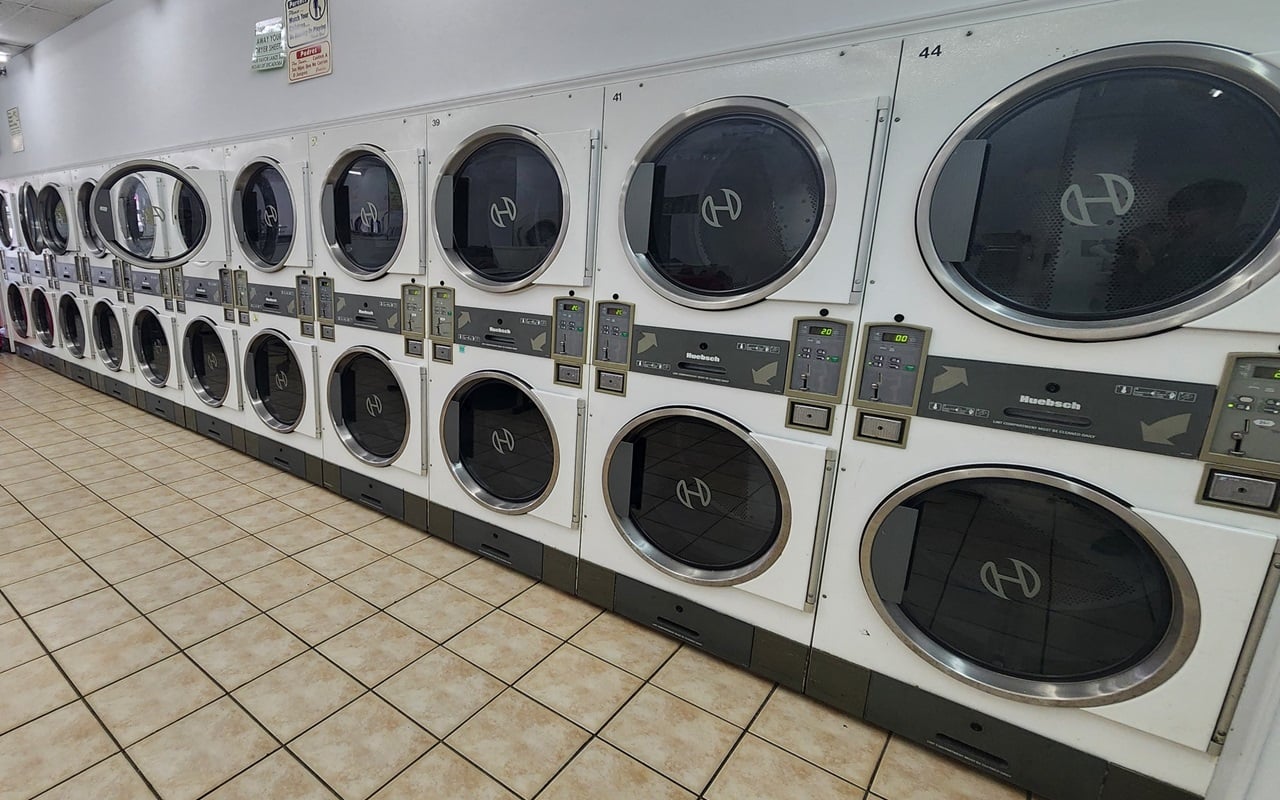
Sell my Laundromat for Top Dollar in 2024
“Sell my laundromat for a bargain price,” said no one ever. If you are a laundromat owner in 2024, you’ve probably considered the premium value your laundromat deserves, especially if it’s doing well. If you’re thinking about selling your laundromat in 2024, however, there are some important things you should know to get the most money for it.
In 2024, staying aware of industry trends can highly benefit laundromat owners aiming to maximize the value of their business when selling. As the market landscape continues to evolve, understanding and leveraging trends can be the difference between selling your business for a modest price and making a lucrative exit. While cash flow is a major consideration for a business valuation, there are several other ways to add value and prepare your laundromat for sale to ensure you receive top dollar. Whether it’s integrating new technology for enhanced convenience, adopting eco-friendly practices to meet growing sustainability concerns, or offering value-added services like wash-and-fold or delivery options to boost revenue and efficiency while catering to changing consumer preferences. By strategically preparing and investing in the laundromat prior to selling, owners not only increase the appeal of their business to customers but ultimately enhance their chances of securing a lucrative sale in the dynamic market of 2024. Let’s discuss some of these trends and how laundromat owners can prepare to sell their businesses.
Demand for Laundromats is on the Rise
In recent years, buying a laundromat has surged in popularity, emerging as a coveted investment opportunity for a wide variety of buyers, thanks in part to the influence of social media, podcasts, news outlets, and pop culture. For several years now, platforms like Instagram and YouTube have allowed entrepreneurs to showcase their success stories and share insights into the lucrative nature of laundromat ownership to a wide audience, inspiring a new wave of interest in the industry. Such influences have glamorized the idea of owning a laundromat, portraying it as a desirable and financially rewarding endeavor with minimal effort. As a result, buying a laundromat has become an increasingly hot commodity, attracting aspiring business owners eager to capitalize on this thriving market and secure their slice of the entrepreneurial pie.
However, this surge in popularity does not make selling a laundromat for fair market value any easier for current laundromat owners. Instead, we are seeing more window shoppers and financially weak buyers attempting to engage the market, hoping to find a once-in-a-lifetime bargain. A laundromat owner without proper representation can easily find themselves swamped with hundreds or even thousands of offers from unqualified buyers presenting lowball offers or pleas for selling financing that burdens the seller with undue risk. While there are still plenty of qualified buyers in the marketplace, it is highly advisable to hire an agent to seek them out.
A Growing Number of Competitors Have Saturated the Market
With the laundromat industry experiencing a surge in popularity and demand, there has also been a notable influx of competing laundromats entering the market, leading to a landscape that is becoming increasingly saturated. This saturation underscores the importance of offering top-notch services to distinguish oneself in the industry. As the number of options available to consumers grows, providing exceptional customer experiences, modern amenities, or convenient mobile features has become essential for standing out amidst the competitive environment. The growing number of competitors emphasizes the need for laundromat businesses to prioritize excellence in service delivery and adaptability to evolving consumer preferences to thrive in today’s saturated market. While a traditional laundromat can still thrive and enjoy a loyal clientele, laundromat owners should recognize the importance of staying abreast of technological innovations and steadily integrate these solutions to cater to the evolving needs of their customers. Failure to do so could not only jeopardize customer retention but also threaten the long-term viability of the business in an increasingly competitive market.
Optimizing Equipment and Facilities to Maximize Sale Potential
Although numerous buyers are flooding the marketplace, that does not mean they are desperate for a fixer-upper. It should go without saying that the overall condition of the facility and machines will play a pivotal role in determining the market value for a laundromat. Imagine if a laundromat owner told us, “Sell my laundromat with mostly 19-20-year-old machines that constantly break down inside of a flood-damaged facility with broken windows and bullet holes in the ceiling.” If the business was somehow deemed marketable enough, we would have to set realistic expectations about receiving less than top dollar for their business. Prospective buyers are naturally drawn to tidy establishments with newer machines that undergo routine maintenance, as these traits signal immediate operational readiness and future-proof investment potential. Discerning buyers would be hesitant to take over a laundromat full of machines that are set to spin their last cycle in the next 2-3 years or a facility in need of major renovations without a hefty discount, to say the least.
To ensure your laundromat stands out in a competitive market, it’s imperative to undertake a comprehensive evaluation of all equipment and facilities before listing it for sale. Pinpointing any maintenance issues or outdated machinery is crucial, as addressing these aspects ahead of time can elevate both buyer interest and the perceived value of your business. While some market areas are best suited for traditional coin laundromats, embracing modern technology by investing in washer and dryer machines equipped with convenient features such as card readers and mobile app integration can prove to be a savvy move. Not only does this enhance operational efficiency, but it also positions your business in alignment with the preferences of contemporary consumers. Investing in routine maintenance and upgrades ahead of time not only enhances the overall appeal but also justifies a higher asking price, thereby maximizing your return on investment.
Diversify Revenue Streams
Elevating the value of a laundromat for sale goes beyond its conventional offerings. Embracing a multifaceted approach to revenue generation can significantly increase its appeal to prospective buyers. While many laundromats contain vending machines stocked with snacks and beverages and retailing laundry essentials, the business can actively incorporate high-demand conveniences like wash-and-fold services and delivery services to generate an additional flow of revenue beyond the self-serve machines. Larger facilities with unutilized space can also consider installing an arcade, introducing a food element, or integrating a cash-checking booth that can cater to the needs of customers seeking financial services while waiting for their laundry. A laundromat boasting such diverse revenue streams is perceived as adaptable and potentially more lucrative, thus enhancing its market desirability. By strategically integrating these supplementary services, owners can position their laundromat as a dynamic and high-yield investment opportunity, ultimately optimizing its sale price potential.
Keeping Accurate Financial Records
In the realm of business sales, transparency is key. Prospective buyers demand a crystal-clear view of a laundromat’s financial landscape to make informed decisions. Hence, maintaining accurate financial records leads to a much smoother business transaction when it comes time to sell.
However, we understand that cash businesses are handled differently, making accurate records a challenge. Even so, detailed and accurate financial documentation provides invaluable insights into the laundromat’s performance and profitability, offering a comprehensive snapshot of its financial health. Business owners are encouraged to present well-organized income statements, balance sheets, cash flow statements, and tax returns spanning at least three years.
Moreover, sellers should anticipate the need to furnish documentation for significant expenses, such as equipment acquisitions or facility renovations. These records not only validate past investments but also offer clarity on the underlying value proposition of the business.
Through the upkeep of precise financial records, sellers not only streamline the due diligence process but also mitigate the risk of transactional complexities. By instilling confidence in potential buyers through transparent financial management, sellers significantly enhance the likelihood of securing a favorable sale at their desired price point.
Partnering with a Business Broker
Partnering with a business broker, especially one with specific experience in the laundromat industry, can offer laundromat owners a significant advantage when it comes to selling their business. Laundromats are unique entities within the realm of business sales due to their cash-heavy nature and specialized operational requirements. A broker who has previously answered the call to “sell my laundromat” several times can understand these nuances can effectively navigate the complexities of selling a laundromat and ensure a smooth transaction process.
One of the primary benefits of working with a business broker experienced in the laundromat sector is their deep understanding of the industry landscape. They are familiar with the current market trends, competitor analysis, and valuation metrics specific to laundromats. This knowledge enables them to accurately assess the value of a laundromat and set an asking price that reflects its true worth, maximizing the seller’s potential for a profitable outcome.
Moreover, a seasoned broker has cultivated a network of contacts within the industry, including prospective buyers who are actively seeking investment opportunities in laundromats. These buyers often come from diverse backgrounds, ranging from seasoned entrepreneurs looking to expand their portfolios to first-time business owners seeking a stable and lucrative venture. By leveraging their connections, brokers can effectively market the laundromat to qualified buyers, increasing the likelihood of finding the right match for the seller’s objectives.
Furthermore, selling a cash-intensive business like a laundromat requires careful attention to financial documentation and transparency. Business brokers with experience in the laundromat industry understand the unique challenges associated with cash businesses and can help sellers navigate the intricacies of financial reporting. They ensure that sellers maintain accurate records of revenue, expenses, and cash flow, providing prospective buyers with the necessary information to conduct due diligence and make informed investment decisions.
In addition to facilitating negotiations and managing the transaction process, a knowledgeable broker can offer valuable insights and guidance throughout the sale process. Whether it’s addressing buyer concerns, optimizing the presentation of the laundromat’s assets, or strategizing for a successful transition, a seasoned broker acts as a trusted advisor, advocating for the seller’s best interests every step of the way.
Sell my Laundromat for the Best Price
“Sell my laundromat for the best price!” should be the desire of every laundromat owner when they are ready to sell. As we discussed, selling your laundromat for top dollar in 2024 requires careful planning, attention to detail, and the right approach. By leveraging the expertise of a business broker, maintaining or upgrading equipment and facilities, and keeping accurate financial records, sellers can maximize their chances of securing a full asking price with minimal complications during or post-transaction.
In a competitive market, sellers who take the time to prepare and position their laundromat effectively will stand out to potential buyers and achieve a successful sale for top dollar. With the right strategy and execution, selling a laundromat in 2024 can be a rewarding and lucrative endeavor for business owners looking to capitalize on their investments.
If you are a business owner seeking to learn more about selling your business, feel free to explore our selling guide or business valuation guide to see how V-AID can add value to your exit and find the right buyer for you!
Read More
9 Reasons Why Your Business Won’t Be Sold Successfully
Based on the survey conducted by the International Business Brokers Association, it is estimated that approximately 70% of all businesses will never be listed for sale. Furthermore, out of the businesses that are listed, only 50% will ultimately be sold. Here, we explore nine reasons why businesses may not be sold.
1. Poor Bookkeeping.
When it comes to selling a business, having accurate books and records is absolutely essential at every step of the process. This includes providing tax returns, profit and loss statements, and a comprehensive list of assets that are being sold. Without these basics, the business may be considered unbankable, meaning no bank or lender will touch it, and even a buyer with the necessary capital is likely going to be unsatisfied without having clear financial records. The level of detail needed may go beyond these basics. Potential buyers may also request additional documentation such as payroll reports, depreciation schedules, employee manuals, a list of contracts, and documentation of licensing. The more thorough and transparent the records, the greater the confidence and trust that can be established with prospective buyers.
2. Declining Sales and Profits.
Aside from the occasional business flipper, or strategic buyer, it is quite rare to find a significant number of buyers actively seeking to acquire distressed businesses. Potential buyers are primarily driven by the desire to see a promising return on their investment. They seek businesses with scalable potential and a positive upside, ensuring that the venture is worth their time and resources. If financial records indicate a decline in sales and profits, the buyer will be hesitant to dive in, or may use this information as a reason to present a lower offer.
3. Customer Concentration.
One of the biggest red flags for a potential buyer is when they discover any single customer accounts for more than 30% of the annual income. The risk of relying heavily on one customer for such a significant portion of income is too high for most buyers. Moreover, commercial banks’ underwriters and internal policy makers are unlikely to approve a loan in such circumstances. On the other hand, having a diverse and loyal customer base creates an ideal environment for successfully selling a business. A broad customer base not only mitigates risk but also demonstrates the business’s stability and attractiveness to potential buyers, increasing the likelihood of a successful sale.
4. Dependence on the Owner.
It’s not enough to have solid financial records when selling a business. The most sellable businesses are ones that are not solely reliant on the owner’s presence. In order to achieve this, business owners should proactively seek ways to gradually reduce their involvement and delegate responsibilities to avoid becoming a one man show. This may involve reevaluating and streamlining business processes, adopting new technologies to automate tasks, or even strategically hiring and training additional employees to become effective managers. By fostering relationships with the employees and having automated processes in place, the business can build a strong foundation that is not solely dependent on one individual. This will ensure long-term success, scalability, and a desirable business opportunity for a potential buyer.
5. Deferred Maintenance.
It is not uncommon for business owners to put off replacing aging equipment, machinery, or vehicles in a well-established business. This practice of delaying necessary capital expenditures is often employed as a means to preserve cash flow and maintain short-term financial stability. However, while it may provide immediate relief, it may not be the most effective long-term strategy for growing a company or maximizing the overall value of the business.
By deferring the replacement or upgrade of essential assets, business owners risk falling behind competitors who embrace technological advancements and invest in modern equipment. Over time, outdated machinery and vehicles can hinder productivity, increase maintenance costs, and limit operational efficiency. These factors can ultimately impede business growth and profitability.
Moreover, delaying the replacement or upgrade of aging assets can have implications when it comes to selling the business. Prospective buyers may perceive the deferred investments as a sign of neglect or financial strain, leading them to discount the value of the business. This could result in a lower return on investment for the business owner when it comes time to exit or sell the company.
6. License Restrictions.
In various industries, trades, and professions, specific licensing is a prerequisite to offering specialized products or services. This requirement applies to a wide range of professionals, including plumbers and doctors. Due to these licensing restrictions, the pool of potential buyers for your business might shrink significantly, limiting it to only those individuals who possess the necessary credentials. However, there are creative strategies that can be explored to overcome these licensing hurdles and expand your reach to a broader audience. By thinking outside the box, you can navigate through these challenges and find innovative solutions to maximize the opportunities for your business transaction.
7. Market Forces.
Ultimately, the market determines whether or not a business will sell at a particular price. Market forces are dynamic and multifaceted factors that can significantly influence the supply and demand of a product or service. These forces encompass a wide range of elements, including social, economic, technological, political, demographic, and competitive factors. They continuously evolve and shape the landscape in which small businesses compete.
For instance, changes in interest rates can have a profound impact on potential buyers, affecting their ability to secure loans and finance larger business purchases. Similarly, the introduction of new technologies can disrupt industries by rendering certain services obsolete or by creating innovative solutions that change customer preferences. There are several market forces that can place the business transaction in jeopardy.
8. Rushing to Market
Timing the sale of a business is a crucial factor in maximizing its value and achieving success in today’s complex landscape. While not every business owner has the luxury of exiting on their own terms due to unforeseen circumstances like death, divorce, or disaster, most can take proactive steps to prepare their business for sale. Rushing the business to the market can leave owners in a vulnerable position when it comes to selling. While some businesses may still be sold with amazing results, a rushed sale is more likely to result in a significantly diminished enterprise value even if the sale is successful. However, with adequate planning ahead of time, nearly any of the previously mentioned reasons can be effectively addressed.
9. Skimping on Professional Assistance
Cutting corners on professional assistance can be tempting for business owners aiming for high returns on investment when selling their business. However, neglecting professional guidance can lead to adverse outcomes. Selling a business without prior experience can pose significant challenges for unprepared sellers and result in costly litigations and time-consuming setbacks. Unless the buyer has a personal connection to the owner, navigating potential buyers can be a frustrating and disappointing process. Dealing with tire kickers who make non-serious offers can waste valuable time. Moreover, without the proper expertise in conducting business valuations, the business is likely to be undervalued or overvalued, resulting in limited interest or missed opportunities for profit. From start to finish, the overall success of the sale is in jeopardy without the aid of professional assistance.
In conclusion, selling a business can be a challenging and overwhelming endeavor with a poor chance of success, especially for an unprepared seller. However, by avoiding common pitfalls and taking the necessary steps to maximize your business’s value, you can significantly simplify the selling process. It is crucial to steer clear of these mistakes to ensure that potential buyers recognize the true worth of your business while ensuring a smooth and hassle-free transaction. If you have a business for sale, trust V-AID to be your reliable partner in achieving your goals.
Read More

How To Sell Your Laundromat Business for the Best Price

If you’ve decided to sell your laundromat, chances are you’re hoping to get the best price. Selling a business is no easy task, and there are many steps involved in achieving top dollar for the business you’ve built. Whether this is your first time selling a laundromat or you’re a seasoned veteran looking for tips on how to get maximum value out of your sale, this blog post will provide helpful advice outlining the key factors that drive profitable exits when it comes time to list and market your laundry business. Keep reading to learn more about what goes into getting the best possible price for your laundromat!
Evaluate the Current Business Value
As a business owner, it is crucial to consistently evaluate the value of your business to make well-informed decisions. Potential buyers are generally interested in key information such as average monthly income, expenses, monthly lease amount (including CAM and NNN costs, if applicable), and remaining lease years. It is also important to assess the age and condition of equipment, level of competition, financial trends, and growth opportunities. Cutting corners is not advisable at this stage. Hiring a professional service or business broker, some of whom offer free business valuations, can yield a higher return on investment than expected. By comprehensively evaluating these factors, you can gain valuable insights into your business’s worth and identify its strengths and weaknesses, which will guide your future decision-making. Still, you will benefit from conducting a free business valuation to gain a base-level understanding. Several tools available online can be used for rough estimates; you can even try using our business value calculator.
Make Necessary Repairs and Upgrades for Your Equipment
As mentioned earlier, assessing the age and condition of your equipment is crucial. Upgrading your machines with modern technology or conducting necessary repairs can greatly impact negotiations when selling your business. Potential buyers may raise concerns about faulty or outdated equipment, using it as leverage to lower the asking price while considering the cost of repairs or replacements. By investing in your laundry equipment, such as fixing a broken dryer or installing new high-capacity washing machines, you are making a wise decision as you plan your business exit. Therefore, don’t hesitate to take the necessary steps to ensure that your laundry machines are in impeccable condition in advance, preparing for a profitable exit on your terms.
Market Your Laundromat for Sale with an Attractive Ad
When it comes to marketing your laundromat for sale, online marketplaces are an excellent option to explore. Websites like BizBuySell and other online platforms offer a convenient way to showcase your advertisement to potential buyers nationwide. To create an impactful ad, it is crucial to emphasize the unique features, taking note of what sets your laundromat apart from the surrounding competition. For instance, having a café or barbershop within the same space can be a significant selling point for prospective buyers. Additionally, the location plays a vital role – having a laundromat in a highly visible and densely populated area can make a substantial difference. Moreover, if you have an established customer base, it further enhances the appeal of your listing compared to newly established laundromats. Don’t miss out on the opportunity to showcase your laundromat’s exceptional features and present it as the attractive listing it truly is.

Prepare to Give a Tour
When selling your laundromat, it’s crucial to remember that potential buyers will want to tour your facility before making a decision. This visit allows them to witness firsthand how you manage and operate the business, which could ultimately make or break the sale. It goes without saying that maintaining a spotlessly clean and organized facility is essential to creating a positive first impression for buyers. Transparency is also key – be open about your level of involvement, back-office activities, and coin collection process. Demonstrating professionalism and commitment to running a successful business will instill confidence in potential buyers. By presenting your laundromat in the best possible light and providing all the necessary details, you set yourself up for a successful sale.
Hire a Business Broker
Selling a business can be a formidable task, particularly when dealing with highly sought-after assets like a laundromat. While finding a buyer for such a business may appear straightforward, the reality is that many potential purchasers lack the qualifications or funds to make a serious offer. This is where the expertise of an experienced business broker becomes invaluable, making the process smoother and more profitable. By providing a professional business valuation, offering a robust marketing strategy, and leveraging an extensive network of qualified buyers, a business broker can facilitate every step of the sale from start to finish. Hiring a broker ensures that the process is handled efficiently and effectively, resulting in a higher potential return on investment and a seamless transition of ownership. It is advisable to seek out experienced local business brokers who deeply understand your specific industry and maintain strong connections to a network of qualified buyers. For instance, a laundromat owner in Dallas, Texas, could benefit from engaging the services of a seasoned business broker in Dallas, who can provide a higher level of service, shorter selling timeframes, and consistent communication throughout the entire selling process.
In conclusion, if you are looking to put your laundromat on the market, do not hesitate. Evaluate the value of your business and make the necessary repairs and upgrades to increase its worth. Advertise your business on online marketplaces, and note what makes your laundromat stand out from the competition. Plan ahead and give a detailed tour of your business so that they get a good idea of all it can offer in terms of services. While you can sell your business without professional assistance, having an experienced business broker in your corner is a prudent decision that will help ensure you walk away with the best offer. If you are interested in selling your laundromat, contact V-AID immediately for professional advice and assistance throughout the process.
Read More
